For those looking to live and eat healthier, I wanted to share my thoughts on the best ‘diet’ along with which nutrition plans rank best, and my healthy eating tips to set yourself up for life-long success.
Yes, I said the D word: DIET! It’s likely that some of you may be starting a new diet as a part of your new commitment to your health this season.
The word diet has taken on somewhat of a restrictive meaning, but in truth the word simply describes what we put in our mouths. The reality is that many flashy diets (which have a start and end) work in the short term due to the restrictive nature, but fail miserably in the long term (also due to their restrictive nature).
I was doing a little bit of research on New Years resolutions because I was totally curious about how many people on average include eating healthier specifically. While these are rough numbers, surveys tend to show that over 70% of us resolve to eat healthier as a resolution year after year, with over 50% of people including the goal of weight loss. And apparently most (80% or so) break these resolutions by February. Ouch! Can anyone relate?!
Side note: a relatively recent study demonstrated that restricting carbohydrates vs fat yielded similar results with no significant difference between the two.
The Key to Eating Healthy
The key to healthy eating may not be sexy, but it is without a doubt what WORKS: balance, moderation and quality. I feel that we have somehow fallen out of love with food in our culture (read anything by Michael Pollan if this topic interests you), and the messages that we are fed through social media and advertisements fuel the notion food is simply a tool. I love the science behind food but we can’t forget the nourishing role that food plays in our lives.
Which brings me to my next point. Whatever you changes you make, check in with yourself emotionally. Is your approach to healthy eating healthy? How critical are you of your own body? If you are suspecting that you are leaning in to a pattern of disordered eating (which many diets fuel), be sure to check in with a qualified healthcare professional to discuss how you can achieve your health goals without going down the rabbit hole of disordered eating patterns.
In order to be successful with any dietary changes you need to set yourself up with a sustainable pattern of eating that you can stick to for life that doesn’t leave out foods that are important for your body. It’s really more like a “no-diet” diet.
All that being said, here is a checklist you can use to assess whether a diet is worth considering.
Diet Checklist
- Can you stay on the diet forever? Truly, be honest with yourself. For instance, keto may sound appealing, but do you REALLY want to be cutting out carbs and eating 70-80% of your calories as fat for life? I’d gamble to say that the answer is no.
- Do you have a transition plan. This is where most people fall short. If you can’t stay on the diet forever (and most people can’t for those overly restrictive diets), have a transition plan. Perhaps your goal is to kick off the year with a month of a particular diet that you feel works for you but then transition to a more sustainable healthy way of eating that is less restrictive (see below for some that I recommend). No transition plan means that you will be jumping back to your old way of eating – and back to square one (or worse for some people).
- Is the diet gimmicky? Do you need to buy expensive supplements that over-promise the world or other ‘magic’ components? Be wary of these diets (some of the supplements can even be dangerous) and look for the science to support the claims (which is rarely there, even to a small degree).
5 Steps to Eating Healthier:
- Watch what you drink. Cut out or cut back on alcohol (which you may be doing already after the holidays!). Alcohol has 7 calories/gram vs 4 for protein and carbohydrates for reference, and is often consumed with calorie-heavy beverages and rich food. Don’t drink your calories (unless it’s a fibre rich smoothie): a grande Starbucks White Chocolate Mocha has 430 calories for instance. Drink plenty of water. This helps keep you hydrated to help with digestion and metabolism, and also helps you feel more full.
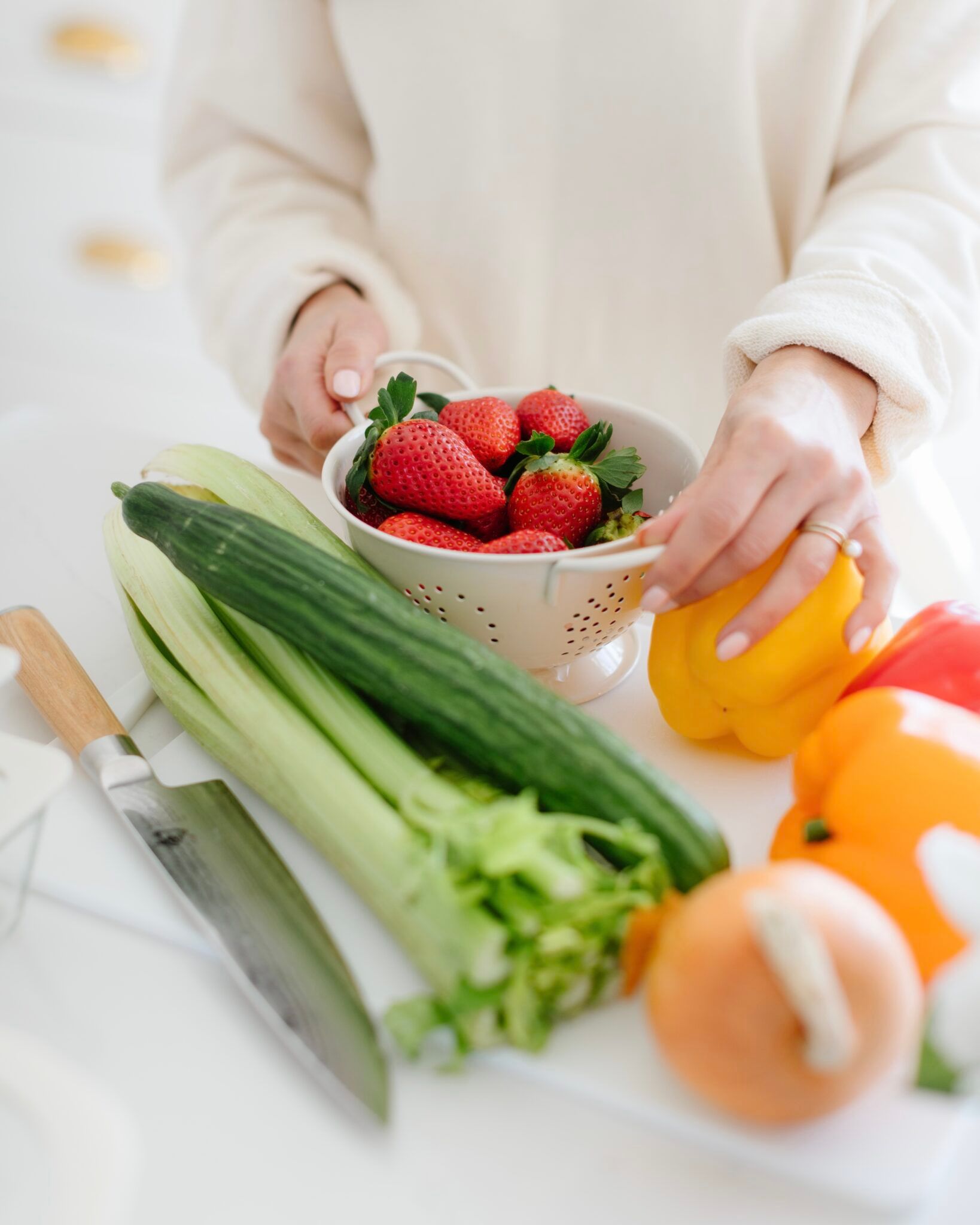
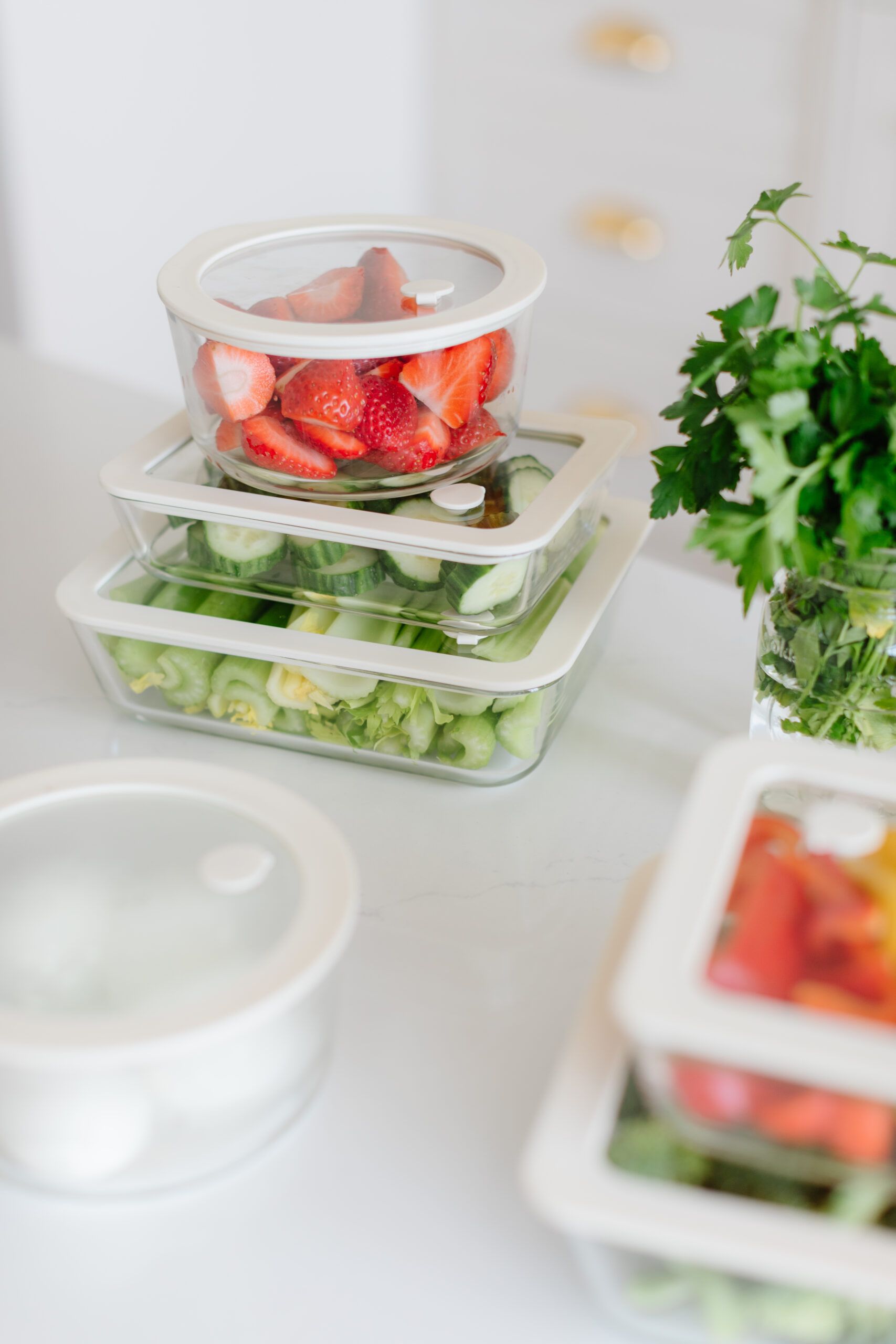
- Fill half of your plate with vegetables. This is probably the best and most simple piece of advice. So often we focus on what we CAN’T have… focussing on what you can have is way more fun! Make it colourful and try new veggies out. Veggies should be the star of the plate, not the protein or refined carbs.
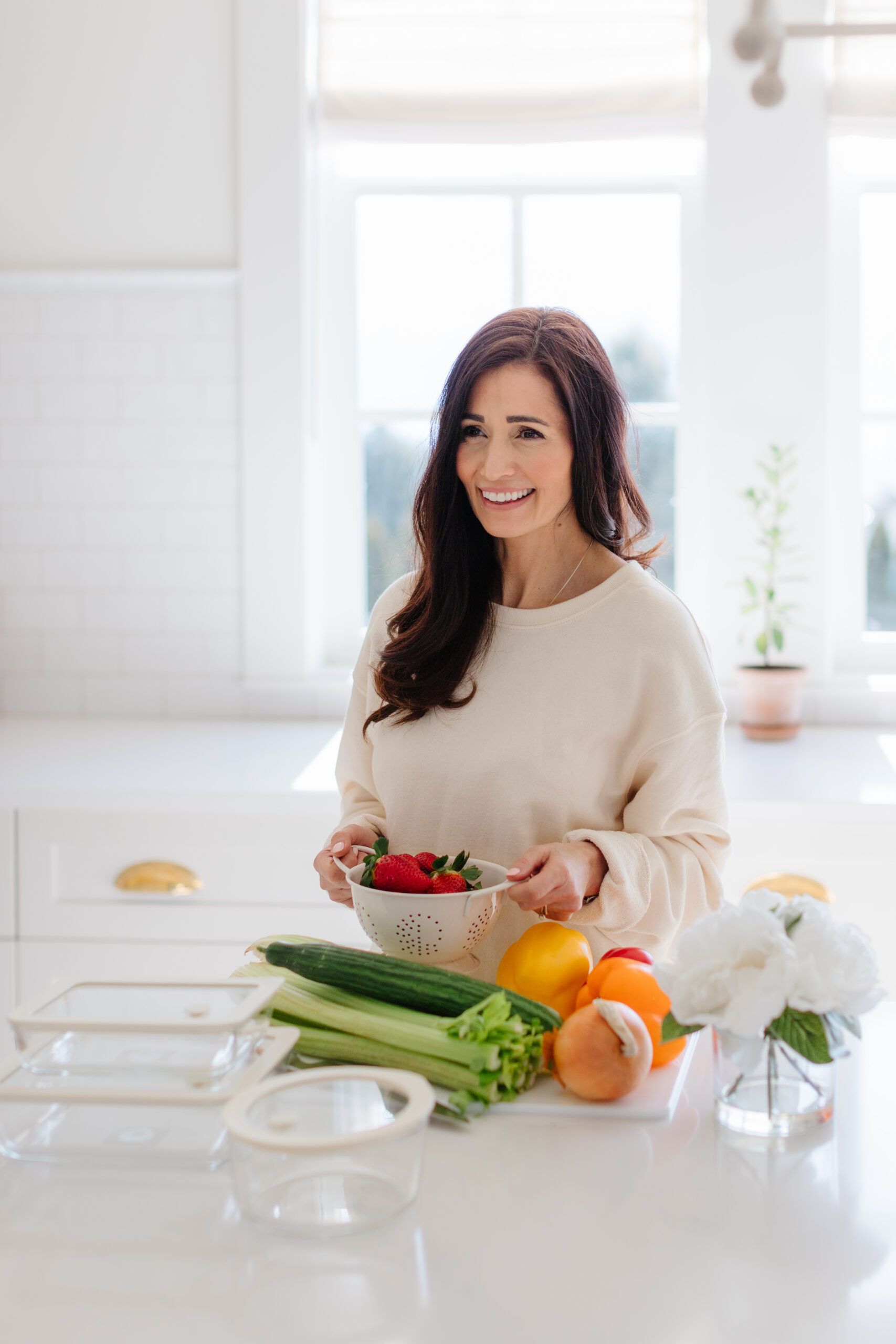
- Make your own food. Honestly, making your own food is so key to healthy eating. Not only is it enjoyable, but you have full control over what you put in your body. With mindful purchasing you can also reduce your environmental footprint more by choosing foods without all the packaging, and it doesn’t have to be complicated! And don’t bring anything into the house that you don’t want to be tempted by. If it’s not there you’re less likely to make a trip to go get it!
If you don’t know where to start, lean on tools that work like my Fraîche Table Meal Plan. It’s dietitian-designed, and simplifies cooking at home – forever! Every superhero needs their sidekick, and this is yours! Plus, it’s on sale making it less than $2/week. - Eat only until you are comfortable. If weight loss is your concern, big portions may be a part of the picture. I personally had to re-program myself when I moved out on my own: we always ate a lot growing up, always till I was full (my mom was a good cook lol). Eating until you are comfortable, not full, is one of the best ways to avoid eating excess calories. If you are still hungry after 20 minutes go grab more!
- Minimize snacking. I used to promote frequent snacking (and still do if weight gain is your goal), but well-planned meals (3-4 a day) seem to work better for weight control and digestion according to more recent literature. That being said, I do keep healthy snacks in the car and in my purse (dried fruit and nuts usually) to fuel me if I’m hungry between meals and want to avoid being caught in a situation where I would otherwise have to pick up fast food (not ideal).
Just remember that the best way of eating is the one that works for YOU! I think that in all of the noise telling us to eat this one day and not eat this another day that we forget to listen to our own bodies. Strive for wellness, not perfection. And remember to love yourself through it all!
What Is the Best Diet?
While I’m not a fan of dieting, there are a few ‘diets’ that I feel good recommending. These diets, or better put, patterns of eating, are backed by science and are all packed with veggies – no gimmicks required!
- Whole Food Plant-Based or Vegan Diet
- This pattern of eating has received a ton of attention in the last couple of years… and I’m all for it. As a society we simply eat far too much animal protein, with negative impacts to our health and that of the planet. If you’re not prepared to go vegan (zero animal products including any dairy, honey, meat etc), why not lean in to a plant-based lifestyle (aka ‘flexitarian diet’) and start with a few meals? Mix up your routine with incorporating some plant-forward meals. There is SO much inspiration out there, and not to brag, but I have plenty in both of my cookbooks and thousands in my Fraîche Table Meal Plan.
- Mediterranean Diet
- Still plant-based (just not vegan), this diet is THE most studied diet out there. Stemming from research staring in the 1960’s, this pattern of eating reflects the healthy lifestyle of those living in the Mediterranean, and is thought to be a part of the reason for why people living in this region live such long healthy lives. It emphasizes olive oil as the fat with plenty of vegetables, lean protein, and the occasional glass of wine. This diet may help reduce the risk of cardiovascular disease.
- DASH Diet (Dietary Approaches to Stop Hypertension)
- Just as the name describes, this is a diet that is designed to treat or prevent high blood pressure. The standard diet caps sodium at 2,300mg per day while the lower sodium version only allows up to 1,500mg per day. It is rich in plants, lean protein, low fat dairy with moderate whole grains allowed. It is essentially a low sodium version of the Mediterranean diet.
- MIND Diet
- A hybrid between the Mediterranean Diet and the DASH Diet. It is intended to improve brain health, potentially mitigating the risk of cognitive decline and dementia, including Alzheimer’s disease. Rich in berries (but doesn’t emphasize other fruit), dark leafy greens, beans, whole grains, nuts and olive oil, it is heavy on veggies and light on animal protein. A glass of wine daily is allowed!
Disclaimer: This information does not substitute for individualized health advice. Please consult your physician or health care provider before making any changes to your diet or lifestyle.